The repair that saves the yard
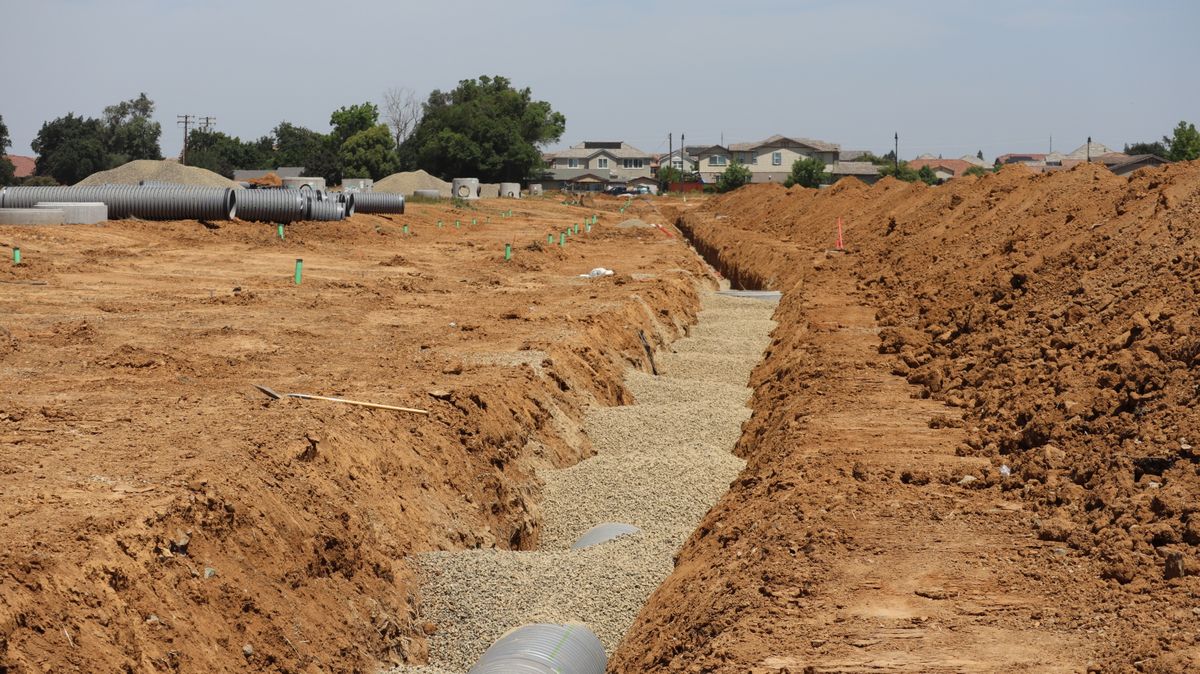
Traditional sewer replacement means an excavator, a trench across everything between your foundation and the street, and a landscaping bill after the plumbing bill. Trenchless methods rehabilitate the pipe from the inside, usually through one or two small access pits. On Utica's mature tree-lined streets, where a trench would cut straight through root systems, sidewalks, and driveways, that difference is worth real money.
The two main methods
Pipe lining (CIPP): a resin-saturated liner goes into the old pipe and cures in place, forming a smooth new pipe inside the old one with no joints. Tree roots, the number one enemy of Utica's clay laterals, have nowhere left to get in.
Pipe bursting: a bursting head gets pulled through the old line, breaking it outward while dragging brand new HDPE pipe into place behind it. This works even on lines too far gone to accept a liner, and it can even upsize the pipe.
Does your line qualify?
Not every pipe does. A fully collapsed section, a severe belly, or certain offsets can rule out lining. The only honest answer comes from a camera inspection. If trenchless isn't viable you'll know exactly why, and a conventional spot repair or replacement gets scoped with the same camera evidence.
- Minimal digging. Lawns, driveways, and mature trees stay intact.
- Faster. Many trenchless jobs finish in a single day.
- New jointless pipe with a 50 year design life.
- Often cost-competitive once you count the landscaping and concrete work you skip.
Is trenchless repair as durable as full replacement?
Yes. Cured-in-place liners and HDPE burst pipe both carry roughly 50 year design lives, and they resist root intrusion better than the clay they replace because they have no joints.
How much does trenchless sewer repair cost?
Comparable to open excavation on the plumbing itself. The savings show up in what you don't pay to restore lawns, driveways, and sidewalks afterward. Camera footage determines the real quote.