
When a Utica sewer lateral fails, it rarely fails politely
It starts as a gurgling floor drain or a toilet that needs two flushes. A few months later there's sewage in the basement on a Sunday night. The pipe between your foundation and the city main is called the lateral, and it causes most repeat backups in Utica. Under city rules that pipe is the homeowner's responsibility, all the way out to the main.
Most of Utica's housing stock predates 1940. Those homes were plumbed with clay or cast iron pipe built for a 50 to 75 year service life. That clock ran out decades ago. Clay joints separate and let tree roots in. Cast iron rusts from the inside until the channel is a fraction of its original size. Central New York's freeze and thaw cycles crack whatever is left.
Repair or replace? The camera decides, not a salesman
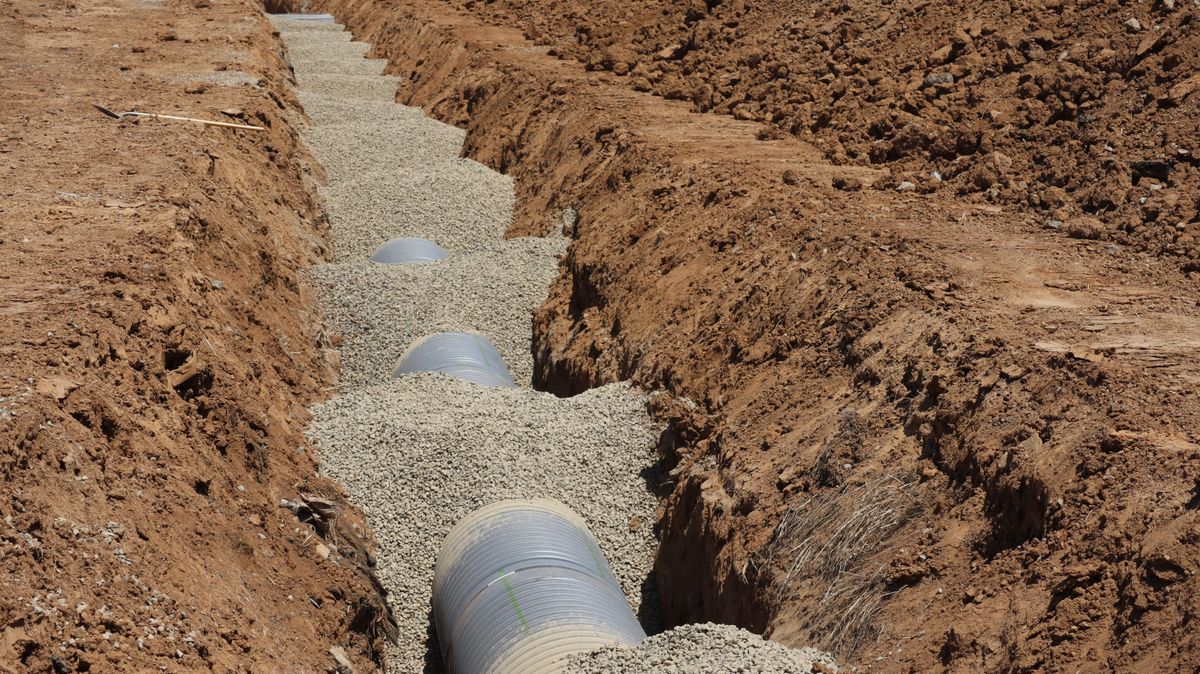
Every job starts with a camera inspection, so you see exactly what the pipe sees. A single offset joint or an isolated root ball may only need a spot repair, which typically runs $2,000 to $5,000 in Central New York. A line that has bellied, collapsed, or fractured along its length honestly needs replacement, usually $8,000 to $15,000 depending on depth and length. Pretending otherwise just sells you the same clog twice. Where the pipe qualifies, trenchless lining or pipe bursting can renew the line without digging up your whole yard.
Signs your lateral is failing
- Backups that return every few months no matter how often you snake
- Several slow drains at once, or gurgling when the washing machine drains
- Sewage odors in the basement, or wet green patches in the lawn
- Any backup in a pre-1950 home that has never had the lateral replaced
Does homeowners insurance cover sewer line replacement?
Standard policies usually exclude it unless you carry a service line rider. Many Utica homeowners add this rider for a few dollars a month. Ask your agent before you need it.
How long does a sewer line replacement take?
Most residential replacements finish in one to three days, including excavation, inspection, and backfill. Trenchless jobs are often faster.